
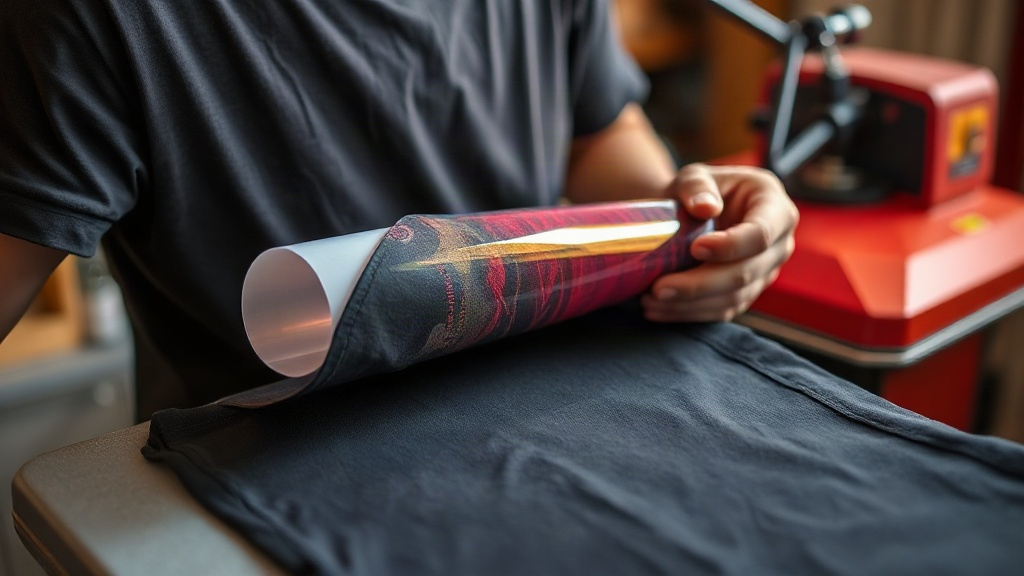
If you've been in the garment decoration business for any length of time, you've likely heard about DTF Transfers. This technology has taken the industry by storm, offering vibrant colors, incredible detail, and unmatched versatility. But what exactly are DTF transfers, and why are they becoming the go-to choice for so many printers and crafters? In this guide, we'll dive deep into the world of DTF transfers, covering everything from the basics to advanced tips for achieving professional results. Whether you're a seasoned pro or just starting out, understanding DTF transfers can elevate your game and open up new possibilities for your business.
What Are DTF Transfers?
DTF stands for Direct to Film. It's a printing method where your design is printed onto a special film, coated with a powder adhesive, and then heat-pressed onto the fabric. Unlike DTG (Direct to Garment) or screen printing, DTF transfers don't require pre-treatment or specialized equipment beyond a printer, powder, and heat press. The process involves printing with pigment-based inks onto a PET film, applying a thermoplastic polyurethane (TPU) powder while the ink is still wet, and then curing the powder. The result is a transfer that can be applied to a wide range of fabrics, including cotton, polyester, blends, and even some non-textiles.
One of the biggest advantages of DTF transfers is their ability to produce highly detailed, multi-color designs without the setup costs of screen printing. This makes them ideal for small businesses, custom apparel shops, and anyone who needs short runs or one-off items. Plus, the prints are stretchable and durable, often outlasting the garment itself.
Why DTF Transfers Are Revolutionizing the Industry
The rise of DTF transfers isn't just hype. There are tangible reasons why this method is gaining traction:
- No weeding or masking: Unlike vinyl, DTF transfers come ready to press. You simply cut the film, place it on the garment, and press. This saves hours of labor, especially for complex designs.
- Works on almost any fabric: From 100% cotton to polyester, blends, and even leather, DTF transfers adhere well. This versatility eliminates the need for multiple decoration methods.
- Vibrant, opaque colors: DTF prints are known for their bright, opaque colors, even on dark garments. The white ink layer ensures that colors pop without the need for a white underbase.
- Cost-effective for short runs: With no screens or setup fees, DTF transfers are economical for small batches. You can print one or one hundred with the same ease.
- Soft feel and stretch: When applied correctly, DTF transfers have a soft hand and stretch with the fabric, reducing cracking and peeling.
These benefits make DTF transfers an attractive option for businesses looking to offer custom apparel without investing in expensive equipment or dealing with the limitations of other methods.
How to Apply DTF Transfers for Best Results
Applying DTF transfers might seem straightforward, but following the right steps ensures durability and a professional finish. Here's a detailed guide:
Step 1: Prepare Your Workspace and Garment
Start with a clean, flat surface. Your heat press should be preheated to the correct temperature. For most DTF transfers, a temperature between 300°F and 325°F (150°C to 160°C) is ideal. Pre-press the garment for a few seconds to remove moisture and wrinkles. This step is crucial because moisture can interfere with adhesion.
Step 2: Position the Transfer
Place the DTF transfer on the garment with the printed side facing up. The film should be on top. If you're using a transfer with a carrier sheet, make sure the design is positioned correctly. Use heat-resistant tape if needed to keep it in place.
Step 3: Press with Medium Pressure
Apply medium pressure for 10 to 15 seconds. The exact time may vary depending on your press and the transfer manufacturer's recommendations. Always test with a sample first. The goal is to melt the powder adhesive and bond it to the fabric without scorching the film.
Step 4: Peel Cool or Hot?
Most DTF transfers are cool peel, meaning you wait until the transfer is completely cool before peeling off the film. This allows the adhesive to set properly. However, some transfers are hot peel. Check the instructions provided with your transfers. If unsure, cool peel is generally safer.
Step 5: Post-Press for Durability
For added durability, especially on stretchy fabrics, you can post-press the transfer for a few seconds with a Teflon sheet or parchment paper over it. This further embeds the adhesive into the fabric.
Following these steps will give you vibrant, long-lasting results that withstand repeated washing.
Choosing the Right DTF Transfers for Your Project
Not all DTF transfers are created equal. When sourcing transfers, consider the following factors:
- Ink quality: High-quality pigment inks produce brighter colors and better wash fastness. Cheap inks may fade quickly.
- Powder adhesive: The TPU powder should be evenly applied and of high grade. Inferior powder can lead to poor adhesion and cracking.
- Film thickness: Thinner films tend to have a softer hand, but they can be more challenging to work with. Thicker films are more forgiving but may feel stiffer.
- Compatibility: Ensure the transfers are compatible with your fabric type. Some transfers are optimized for cotton, others for polyester.
- Supplier reputation: Choose a reputable supplier like DTF Max Print that uses quality materials and provides consistent results.
Investing in quality transfers pays off in customer satisfaction and reduced returns.
Common Mistakes to Avoid with DTF Transfers
Even experienced printers can make mistakes. Here are some pitfalls to watch out for:
- Insufficient pressure: Without enough pressure, the adhesive won't bond properly, leading to peeling. Adjust your press accordingly.
- Wrong temperature: Too low and the powder won't melt; too high and you'll scorch the fabric or film. Use a temperature gun to verify.
- Peeling too early: If you peel while hot, the design may stretch or leave adhesive residue. Wait for it to cool.
- Not pre-pressing: Moisture and wrinkles can ruin the application. Always pre-press.
- Using the wrong fabric: While DTF works on many fabrics, some like nylon or waterproof materials may require special low-temperature transfers.
Avoiding these mistakes will save you time and materials.
DTF Transfers vs. Other Decoration Methods
How do DTF transfers stack up against other popular methods? Let's compare:
- DTF vs. DTG: DTG requires pre-treatment and works best on 100% cotton. DTF works on more fabrics and often has more vibrant colors on dark garments.
- DTF vs. Screen Printing: Screen printing is cost-effective for large orders but has setup costs. DTF is better for small runs and complex designs.
- DTF vs. Vinyl: Vinyl requires weeding and layering, which is time-consuming. DTF is simpler and can produce full-color images.
- DTF vs. Sublimation: Sublimation only works on polyester and light-colored fabrics. DTF works on cotton and dark fabrics.
Each method has its place, but DTF transfers offer a unique combination of versatility and quality.
Frequently Asked Questions About DTF Transfers
How durable are DTF transfers?
When applied correctly, DTF transfers are highly durable and can withstand 50+ washes without fading or cracking. Proper washing inside out in cold water and avoiding bleach will extend their life.
Can I use DTF transfers on dark garments?
Absolutely! DTF transfers include a white ink layer that makes colors pop on dark fabrics. They are actually ideal for dark garments because of their opacity.
Do I need a special printer for DTF transfers?
Yes, you need a DTF printer that uses pigment inks and a shaker machine for applying powder. However, you can also buy pre-printed transfers from suppliers if you don't want to invest in equipment.
What fabrics work best with DTF transfers?
DTF transfers work on a wide range of fabrics, including cotton, polyester, blends, and even leather. They are not recommended for nylon or waterproof fabrics unless using specialized low-temp transfers.
How do I store unused DTF transfers?
Store them in a cool, dry place away from direct sunlight. Keep them in a sealed bag to prevent dust and moisture. Properly stored transfers can last for several months.
With this knowledge, you're ready to embrace DTF transfers and take your garment decoration to the next level. Whether you're printing your own or buying from a trusted supplier, the versatility and quality of DTF transfers are hard to beat.