
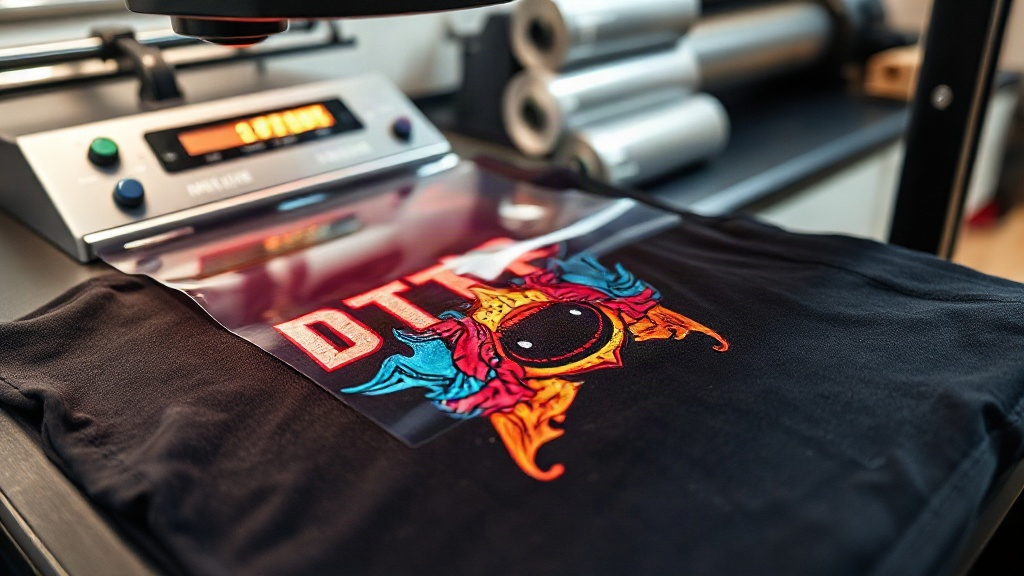
Imagine pressing a vibrant, full-color design onto a dark cotton t-shirt without the hassle of weeding tiny letters or worrying about color limitations. That's the promise of DTF printing, a technology that has rapidly become a favorite among custom apparel creators. Whether you're a small business owner, a hobbyist, or a professional printer, understanding DTF can open up new possibilities for your projects. In this guide, we'll walk you through the entire process, compare it with other methods, and share tips to help you achieve professional results.
What is DTF Printing?
DTF stands for Direct-to-Film. It's a printing method where your design is first printed onto a special PET film, coated with a adhesive powder, and then heat-pressed onto the fabric. Unlike DTG (Direct-to-Garment), which prints directly onto the garment, DTF uses a transfer film as an intermediary. This key difference allows DTF to work on a wide range of fabrics, including cotton, polyester, blends, and even nylon, without the need for pre-treatment. The result is a soft, stretchable print that can handle intricate details and gradients with ease.
How DTF Printing Works: Step by Step
To get started with DTF, you'll need a few essentials: a DTF printer (or access to a printing service), DTF film, hot melt adhesive powder, and a heat press. Here's the process broken down:
1. Design Preparation
Create your artwork in a graphic design software like Adobe Photoshop or Illustrator. Ensure your design is in CMYK color mode and at 300 DPI for optimal print quality. Remember that DTF prints are opaque, so you don't need to worry about white underbase for dark garments. However, if your design has white areas, the printer will lay down white ink first, followed by color. Save your design as a mirrored image, because the film will be flipped when pressed.
2. Printing onto Film
Load the DTF film into your printer, with the coated side facing the printhead. Send your design to print. The printer will lay down a layer of white ink (if needed) and then the CMYK colors. Some printers also use a varnish or additional white layer for better opacity. The print will appear wet and slightly raised on the film.
3. Applying Adhesive Powder
While the ink is still wet, sprinkle hot melt adhesive powder evenly over the printed area. Shake off the excess, then tap the film to ensure an even coating. The powder sticks to the wet ink. This step is crucial because the powder will melt during heat pressing and bond the print to the fabric.
4. Curing the Powder
Place the film in a curing oven or under a heat source (like a heat press with the top platen raised) at around 160-170°C (320-340°F) for 2-3 minutes. The powder should melt and become glossy. Be careful not to over-cure, as it can make the transfer brittle. Once cured, the film can be stored for later use.
5. Heat Pressing onto Garment
Preheat your heat press to 160-170°C (320-340°F). Place the garment on the press, then position the DTF transfer on top with the printed side facing up. Cover with a Teflon sheet or parchment paper. Press with medium pressure for 15-20 seconds. For best results, use a cold peel: wait a few seconds for the film to cool slightly, then peel it off in a smooth, continuous motion. The print should remain on the fabric, feeling soft and flexible.
Why Choose DTF Printing?
DTF offers several advantages that make it a standout choice:
- Versatility: Works on almost any fabric, including cotton, polyester, blends, leather, and even some treated nylon.
- No Weeding: Unlike vinyl, there's no tedious weeding of tiny details. The printer handles complex designs effortlessly.
- Vibrant Colors: DTF can produce bright, full-color images with gradients and fine lines.
- Durability: When applied correctly, DTF prints resist cracking, peeling, and fading after multiple washes.
- Cost-Effective for Small Runs: It's ideal for short runs and one-off designs, as there's no setup cost like screen printing.
DTF vs. Other Printing Methods
How does DTF stack up against other popular techniques?
DTF vs. DTG
DTG (Direct-to-Garment) prints directly onto the fabric, which can be limiting for dark colors and polyester. DTF uses a transfer, so it can print white ink and vibrant colors on any fabric. DTG often requires pre-treatment, while DTF does not. However, DTG can feel softer on the garment because there's no adhesive layer.
DTF vs. Screen Printing
Screen printing is cost-effective for large orders but requires setup for each color. DTF is better for detailed, multi-color designs and small batches. Screen printing typically has a thicker feel, while DTF is thinner and more flexible.
DTF vs. Vinyl (HTV)
HTV (Heat Transfer Vinyl) requires weeding and layering, which is time-consuming and limited in detail. DTF eliminates weeding and can produce photographic-quality prints. HTV can be more durable for simple designs, but DTF offers superior versatility.
Tips for Perfect DTF Transfers
To ensure your DTF prints look professional and last long, follow these tips:
- Use quality supplies: Invest in good DTF film and adhesive powder. Cheap materials can lead to poor adhesion and fading.
- Control moisture: Humidity can affect the powder application. Store film and powder in a dry environment.
- Test your press: Every heat press is different. Experiment with temperature, pressure, and time to find the sweet spot for your setup.
- Pre-press the garment: This removes wrinkles and moisture, ensuring a smooth application.
- Cold peel: Let the transfer cool for a few seconds before peeling. This prevents the design from stretching or smearing.
- Wash inside out: To prolong the life of your DTF print, wash the garment inside out in cold water and tumble dry low.
Common DTF Problems and How to Fix Them
Even with experience, you might encounter issues. Here are some common problems and solutions:
- Print peeling off: Usually caused by insufficient pressure, too low temperature, or under-cured powder. Increase pressure and ensure powder is fully melted.
- Cracking: Over-curing the powder or stretching the print when hot can cause cracks. Cure properly and allow to cool before peeling.
- Dull colors: May be due to low-quality film or incorrect powder application. Use high-quality film and ensure even powder coverage.
- Adhesive residue on film: If powder sticks to the film backing, you might be applying too much powder. Shake off excess thoroughly.
Frequently Asked Questions
What fabrics can I use with DTF printing?
DTF works on a wide range of fabrics, including cotton, polyester, cotton-poly blends, nylon, leather, and even some treated synthetic materials. It's particularly useful for fabrics that are difficult to print with other methods, such as dark polyester.
How durable is a DTF print?
When applied correctly, DTF prints are highly durable. They can withstand 50+ washes without significant fading, cracking, or peeling. Proper washing (inside out, cold water) will extend the life of the print.
Do I need a special printer for DTF?
Yes, you need a DTF printer that uses DTF inks and is designed to print on film. However, if you don't want to invest in a printer, you can order DTF transfers from a service like DTF Max Print and apply them with a heat press.
Can I use DTF on dark garments?
Absolutely! DTF is excellent for dark garments because it prints a white underbase, allowing colors to pop. This is a major advantage over DTG, which struggles with white ink on dark fabrics.
What is the difference between DTF and DTG?
The main difference is that DTF prints onto a film and then transfers to the garment, while DTG prints directly onto the garment. DTF is more versatile with fabrics and colors, while DTG is limited to cotton and requires pre-treatment.
Final Thoughts
DTF printing is a game-changer for custom apparel. Its ability to produce vibrant, detailed designs on almost any fabric, combined with its durability and ease of use, makes it an invaluable tool for anyone in the garment decoration industry. Whether you're creating custom t-shirts for your brand, team uniforms, or personalized gifts, DTF offers a reliable and professional solution. With the right supplies and a bit of practice, you'll be amazed at the quality you can achieve.