
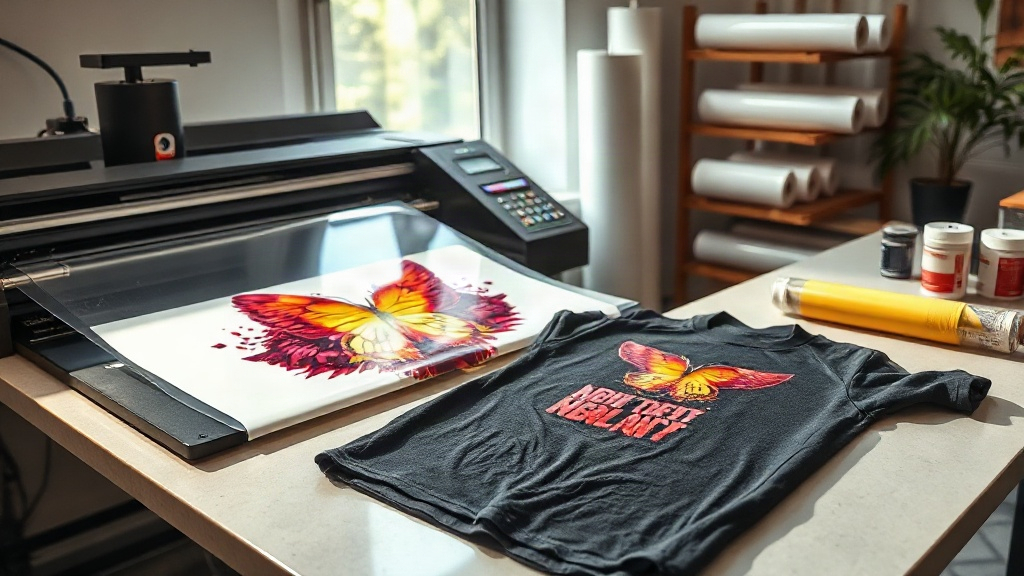
If you've been exploring custom apparel printing, you've likely encountered DTF Transfers. This technology has rapidly gained popularity for its versatility and vibrant results. Unlike traditional methods, DTF (Direct to Film) transfers allow you to print full-color designs onto a special film, then heat-press them onto various fabrics. Whether you're a hobbyist or a professional print shop, understanding DTF transfers can open up new creative and business opportunities.
What Are DTF Transfers?
DTF Transfers are a type of heat-applied transfer that uses a special film and adhesive powder to bond printed designs to fabric. The process begins with printing your design onto a PET film using a DTF printer. The printer lays down white ink as a base, followed by CMYK colors, creating a mirror image of your design. After printing, a thermoplastic powder is applied to the wet ink, which acts as the adhesive when heated. Once cured, the transfer is ready to be pressed onto a garment.
The key advantage of DTF transfers is their ability to adhere to a wide range of materials, including cotton, polyester, blends, and even leather. Unlike DTG (Direct to Garment) printing, which often requires pre-treatment and works best on 100% cotton, DTF transfers are far more forgiving. They also produce vibrant colors and fine details that rival screen printing, without the setup costs.
How DTF Transfers Differ from Other Printing Methods
To appreciate DTF transfers, it helps to compare them with other popular techniques. Here's a quick overview:
- Screen Printing: Cost-effective for large orders but requires separate screens for each color and has setup fees. DTF transfers have no color limitations and no minimum order.
- DTG Printing: Best for 100% cotton, DTG can be slow and requires pre-treatment. DTF works on more fabrics and often yields more durable prints.
- Vinyl Cutting: Ideal for simple, single-color designs but limited in complexity. DTF handles full-color, photographic designs with ease.
- Sublimation: Only works on polyester and requires white fabric for bright colors. DTF transfers bond to the fabric surface, so they work on any color.
This versatility makes DTF transfers a go-to solution for small businesses, custom gift makers, and anyone needing high-quality, one-off prints.
The DTF Printing Process Step by Step
1. Design Preparation
Start with your artwork in a digital format. Ensure it's high resolution (300 DPI is recommended). Mirror the image horizontally before printing, as the transfer will be flipped when applied. If your design has fine lines or small text, consider thickening them slightly to ensure they hold up during pressing.
2. Printing
Load the PET film into your DTF printer. The printer will lay down a white ink layer first, followed by CMYK inks. Some printers also apply a second white layer on top for opacity. The wet ink is then dusted with hot-melt adhesive powder. Shake off excess powder and cure the film in an oven or with a heat press at around 160°C (320°F) for 2-3 minutes. The powder melts and creates a smooth, adhesive surface.
3. Transfer Application
Preheat your heat press to 160-170°C (320-340°F). Place the garment on the press, then position the transfer with the printed side facing up (adhesive side down). Press with medium pressure for 15-20 seconds. For best results, use a Teflon sheet or parchment paper over the transfer. After pressing, peel the film while it's still warm (warm peel) or let it cool completely (cold peel), depending on the film and powder you use. Most modern DTF transfers are cold peel, which gives a matte finish.
Materials You Need for DTF Transfers
To get started with DTF transfers, you'll need:
- A DTF printer (or access to a printing service)
- PET film (usually 75-100 microns thick)
- DTF ink (CMYK + white)
- Hot-melt adhesive powder (TPU-based)
- Heat press or oven for curing
- Heat press for application
- Garments or fabrics of your choice
If you're not ready to invest in a printer, many companies offer DTF transfer printing services. You can simply send your design and receive ready-to-press transfers.
Tips for Perfect DTF Transfers
Choose the Right Fabric
While DTF works on many materials, some fabrics yield better results. Cotton and cotton blends are ideal. Polyester can work, but lower temperatures may be needed to avoid scorching. For stretchy fabrics, use a stretchable adhesive powder to prevent cracking.
Adjust Pressure and Temperature
Too little pressure and the transfer won't adhere; too much and the design may spread or the fabric may scorch. Experiment with your heat press to find the sweet spot. A good starting point is 160°C (320°F) for 15 seconds with medium pressure.
Handle with Care
After pressing, allow the garment to cool before wearing or washing. Wait at least 24 hours before the first wash. Turn the garment inside out and wash in cold water. Avoid bleach and fabric softeners, and tumble dry on low or hang dry.
Common Applications of DTF Transfers
DTF transfers are used for a wide range of products:
- Custom t-shirts, hoodies, and sweatshirts
- Sports jerseys and team uniforms
- Tote bags and backpacks
- Denim jackets and jeans
- Promotional items and corporate apparel
- Personalized gifts
The ability to print on demand makes DTF transfers perfect for small businesses that offer personalized products without holding inventory.
Frequently Asked Questions About DTF Transfers
How long do DTF transfers last?
With proper application and care, DTF transfers can last as long as the garment itself. They are durable and resistant to cracking and fading. Washing inside out in cold water and avoiding high heat in the dryer will extend their life.
Can I use DTF transfers on dark fabrics?
Yes, DTF transfers are excellent on dark fabrics because the white ink base provides opacity. This is a major advantage over DTG or sublimation, which struggle with dark colors.
Do I need a special printer for DTF transfers?
You can use a dedicated DTF printer, or convert an existing inkjet printer with DTF ink and film. However, dedicated printers are recommended for consistent results. Alternatively, you can order DTF transfers from a service.
What is the difference between DTF and DTG?
DTF transfers are printed on film and then applied with heat, while DTG prints directly onto the garment. DTF works on more fabric types and often produces more vibrant colors, while DTG is limited to cotton and requires pre-treatment.
How do I store DTF transfers?
Store unused DTF transfers in a cool, dry place, away from direct sunlight. Keep them flat to prevent curling. They can be stored for several months without losing quality.
Final Thoughts
DTF Transfers have revolutionized the custom apparel industry by offering a versatile, cost-effective, and high-quality printing solution. Whether you're a small business owner or a DIY enthusiast, mastering DTF transfers can elevate your creations. With the right materials, careful application, and a bit of practice, you'll achieve professional-looking results that impress. So why not give DTF transfers a try? Your next custom project could be your best one yet.