
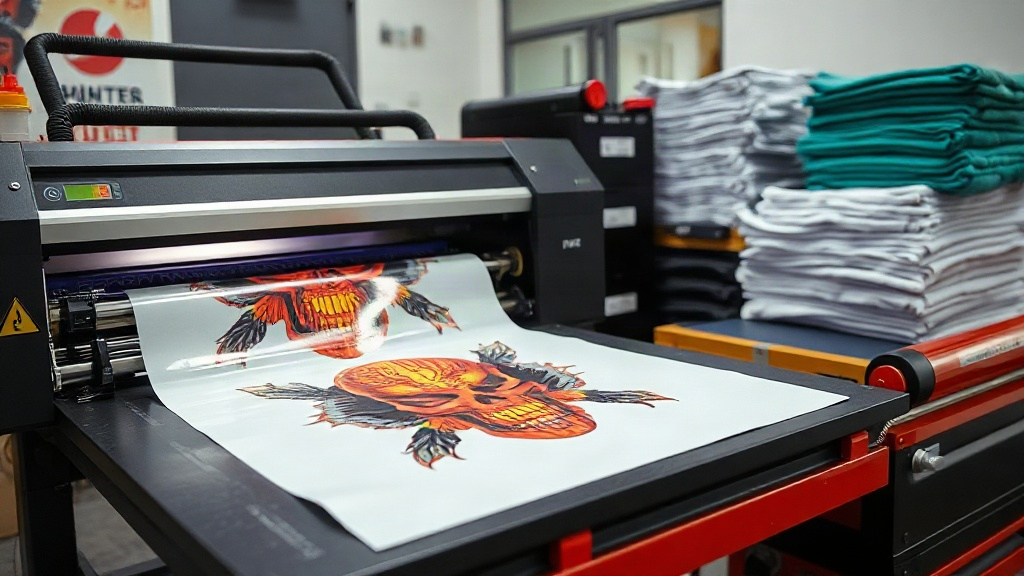
Imagine pressing a vibrant, full-color design onto a dark cotton t-shirt without the hassle of weeding or the limitations of vinyl. That's the promise of DTF printing, a digital transfer technology that has taken the custom apparel world by storm. Whether you're a hobbyist or a small business owner, understanding DTF can open up new creative and commercial possibilities. In this guide, we'll walk you through the essentials: what DTF is, how it works, and how you can achieve professional results at home or in your shop.
What Exactly Is DTF Printing?
DTF stands for Direct-to-Film. It's a printing method where your design is printed onto a special film, coated with a powder adhesive, and then heat-pressed onto fabric. Unlike DTG (Direct-to-Garment), which prints directly onto the shirt, DTF separates the printing and application steps. This gives you more control and allows you to decorate a wider range of materials, including cotton, polyester, blends, and even leather. The process is relatively new but has quickly gained popularity because it eliminates many of the pain points of traditional methods.
How Does the DTF Process Work?
To get started with DTF, you'll need a few key components: a DTF printer (often a modified Epson or Ricoh), DTF film, DTF ink, and DTF powder. Here's a step-by-step breakdown:
- Design Preparation: Create your artwork in a graphics program and mirror it horizontally. This is crucial because the design will be flipped when transferred.
- Printing: Load the DTF film into your printer and print the mirrored design using specialized DTF inks. These inks are vibrant and durable.
- Powder Application: While the ink is still wet, sprinkle DTF powder over the printed area. The powder sticks to the ink. Shake off the excess.
- Curing: Place the film in a heat press or oven to melt the powder. This creates a flexible, adhesive layer that will bond to the fabric.
- Transfer: Once cured, the transfer is ready. You can store it for later or press it onto your garment immediately.
When you're ready to apply, preheat your heat press to around 320°F (160°C). Place the transfer on the garment with the powder side down, and press for 10-15 seconds with medium pressure. After pressing, let it cool completely before peeling off the film. The result is a soft, stretchable print that feels great and lasts wash after wash.
Why Choose DTF Over Other Printing Methods?
DTF printing offers several advantages that make it a standout choice:
- No Weeding or Cutting: Unlike vinyl, you don't need to weed out tiny details. This saves time and allows for intricate designs.
- Full-Color and Photographic Prints: DTF can reproduce gradients, photos, and fine details with stunning accuracy.
- Works on Many Fabrics: From 100% cotton to 100% polyester and blends, DTF adheres well. It even works on nylon and leather with proper preparation.
- Durability: When applied correctly, DTF prints are highly durable. They resist cracking, peeling, and fading.
- Cost-Effective for Small Batches: No screens or plates are needed, so short runs are economical.
However, DTF isn't perfect for every situation. For very large orders, screen printing might be more cost-effective. And while the feel is soft, it's not completely unnoticeable on lightweight fabrics. But for the flexibility and quality it offers, DTF is hard to beat.
Choosing the Right Supplies for DTF Printing
The quality of your DTF transfers depends heavily on the supplies you use. Here's what to look for:
DTF Film
Not all films are created equal. Look for film that is specifically designed for DTF printing. It should have a matte side for printing and a glossy side for handling. Thickness matters too: thinner films (75-100 microns) tend to produce softer prints, while thicker films (100-125 microns) are easier to handle and less prone to curling.
DTF Ink
DTF inks are typically pigment-based and come in CMYK plus white. The white ink is crucial because it acts as a base for colors on dark garments. Quality inks ensure vibrant colors and good washability. Always use inks formulated for DTF printers to avoid clogging.
DTF Powder
The powder is a thermoplastic adhesive. It comes in fine and coarse grades. Fine powder (80-170 microns) is generally better for detailed designs, while coarser powder (170-250 microns) can be more durable. You'll also find TPU (thermoplastic polyurethane) powder, which is known for its elasticity and soft feel.
Heat Press
A good heat press is essential. You need consistent temperature and pressure. A clamshell or swing-away press works well. Make sure it can reach at least 350°F (175°C) for curing and pressing.
Common DTF Printing Challenges and How to Overcome Them
Even with the right supplies, you might run into issues. Here are some common problems and solutions:
- Weak Adhesion: If the transfer peels off after washing, you might not have enough pressure, or the powder wasn't fully cured. Increase pressure and ensure the powder is melted completely (it should look glossy).
- Cracking: Cracking usually happens if the print is stretched too much or if the powder layer is too thick. Use a finer powder and avoid over-stretching the garment.
- Dull Colors: This can be due to insufficient white ink or incorrect printer settings. Make sure your white ink layer is thick enough, and check your color profiles.
- Film Curling: High humidity can cause film to curl. Store film in a dry place and consider using a dehumidifier in your workspace.
With a bit of practice, you'll learn to troubleshoot these issues quickly.
Applications of DTF Printing
DTF printing is incredibly versatile. It's used for:
- Custom t-shirts, hoodies, and other apparel
- Sportswear and team uniforms
- Promotional items like tote bags and hats
- Home decor textiles
- Small business branding
Because it works on so many materials, DTF is a go-to for anyone needing high-quality, full-color transfers.
Frequently Asked Questions About DTF Printing
How long do DTF prints last?
With proper application and care, DTF prints can last as long as the garment itself. They withstand repeated washing without fading or cracking. To maximize longevity, wash inside out in cold water and avoid ironing directly on the print.
Can I use DTF on 100% polyester?
Yes, DTF works well on polyester. However, because polyester is heat-sensitive, you should use a lower pressing temperature (around 280-300°F) to avoid scorching. Also, pre-press the garment to remove moisture.
Do I need a special printer for DTF?
You can convert an existing printer (like an Epson EcoTank) to use DTF inks with a DTF conversion kit. Alternatively, you can buy a dedicated DTF printer. If you're just starting, a conversion kit is a cost-effective way to test the waters.
What is the difference between DTF and DTG?
DTF prints on a film and then transfers to the fabric, while DTG prints directly onto the garment. DTG is limited mostly to cotton, whereas DTF works on many fabrics. DTF also allows you to prepare transfers in advance and store them.
Can I layer DTF transfers?
Yes, you can layer DTF transfers, but it's tricky. You'll need to press each layer separately, and the bottom layers might get pressed again. It's better to design your artwork with all elements in one transfer to avoid layering.
DTF printing is a game-changer for custom apparel. With its ability to produce vibrant, durable prints on almost any fabric, it's no wonder that more and more creators are adding DTF to their toolkit. Whether you're printing for fun or for profit, the key is to start with quality supplies and practice your technique. At dtfmaxprint.com, we're here to help you every step of the way with top-notch DTF materials and expert advice. So why not give DTF a try? Your next custom creation could be your best one yet.