
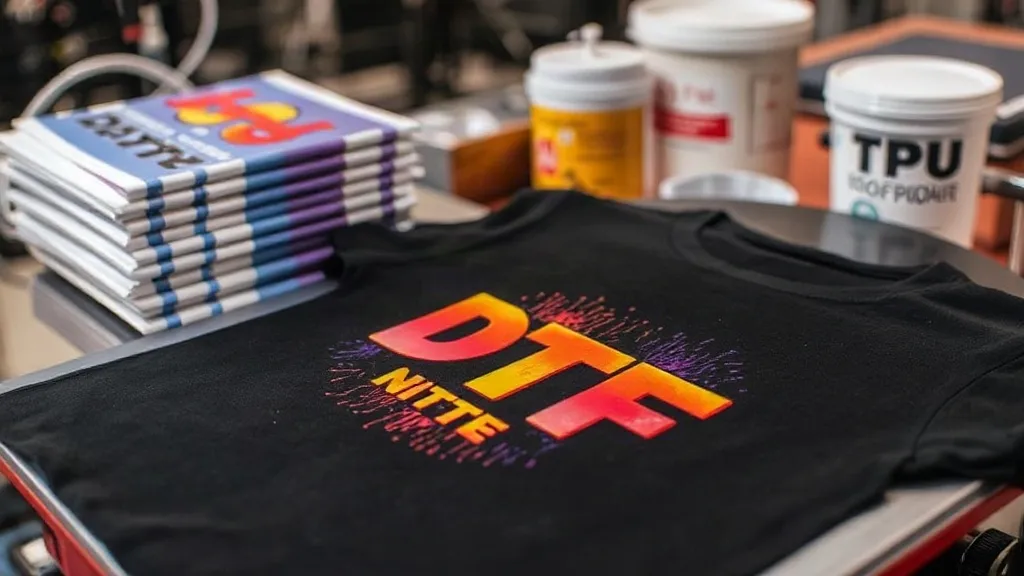
If you've ever watched a DTF transfer come out of the press with vibrant colors and a soft hand, you know the magic. But behind that perfect print lies a series of choices and techniques that can make or break the result. Whether you're a seasoned print shop owner or just starting out, understanding the nuances of DTF transfers is key to delivering consistent quality. In this guide, we'll walk through the entire process, from selecting materials to troubleshooting common issues, so you can achieve flawless prints every time.
What Are DTF Transfers?
DTF, or Direct-to-Film, is a printing method where designs are printed onto a special film, coated with adhesive powder, and then heat-pressed onto fabric. Unlike DTG or screen printing, DTF doesn't require pre-treatment and works on a wide range of materials, including cotton, polyester, blends, and even nylon. The process involves creating a digital print on film, applying a thermoplastic polyurethane (TPU) powder while the ink is still wet, and then curing the powder to create a durable, stretchable layer that bonds to the fabric under heat and pressure.
The popularity of dtf transfers has skyrocketed because it offers vibrant colors, fine details, and excellent wash durability without the need for expensive equipment like screen setups or pre-treatment machines. It's a versatile solution for small businesses, custom apparel shops, and even hobbyists looking to produce professional-grade prints.
Choosing the Right Materials
Film Selection
The film you use plays a critical role in print quality. There are two main types: cold peel and hot peel. Cold peel films require the transfer to cool completely before peeling, which can result in a smoother, more matte finish. Hot peel films allow you to peel immediately after pressing, speeding up production but sometimes leaving a slightly glossier surface. Consider your workflow and desired finish when choosing. Additionally, film thickness affects how the print feels on the garment; thinner films offer a softer hand.
Powder Matters
The adhesive powder is what makes the transfer stick. TPU powder is the standard, available in fine, medium, and coarse grades. Finer powders melt more evenly and are ideal for detailed designs, while coarser powders provide a stronger bond for heavy inks. Humidity can affect powder application, so store it in a dry place and apply in a controlled environment. A common mistake is over-powdering, which leads to a stiff, plastic-like feel. Shake off excess powder gently before curing.
Ink and Printer Settings
Using high-quality DTF inks and proper printer settings ensures vivid colors and smooth gradients. Ensure your printer is calibrated and the white ink layer is properly maintained. White ink tends to settle, so regular agitation is necessary. Also, check that your RIP software is set to the correct color profile for DTF printing to avoid dull or inaccurate colors.
The DTF Transfer Process Step by Step
- Design Preparation: Start with a high-resolution image, mirror it horizontally, and ensure the colors are in CMYK mode. Add a white underbase layer if printing on dark fabrics.
- Printing: Load the DTF film into your printer and print the design. Make sure the printer is set to the correct media type and quality settings.
- Powder Application: While the ink is still wet, sprinkle the TPU powder evenly over the design. Shake off excess and ensure an even coat.
- Curing: Place the film in a curing oven or under a heat gun until the powder melts and becomes glossy. This typically happens around 160-170°C (320-340°F) for a few minutes.
- Pressing: Set your heat press to the recommended temperature (usually 150-160°C or 300-320°F) and pressure (medium to high). Place the transfer on the garment, cover with a protective sheet, and press for 10-15 seconds.
- Peeling: If using cold peel film, remove the garment from the press and wait until it cools completely before peeling the film. For hot peel, peel immediately while hot.
Common DTF Transfer Problems and Fixes
Adhesion Issues
If the transfer peels off after washing, it's likely due to insufficient pressure, incorrect temperature, or under-cured powder. Ensure your press is calibrated and apply consistent pressure. Also, check that the powder is fully melted; under-cured powder won't bond properly. Another culprit could be fabric contamination; always pre-press the garment to remove moisture and wrinkles.
Cracking
Cracking often occurs when the transfer is stretched beyond its elasticity or if the powder layer is too thick. Use a finer powder and avoid over-powdering. Also, ensure the garment is properly supported during pressing to avoid uneven pressure. For stretchy fabrics, consider using a stretchable DTF film or adding a stretch additive to the powder.
Fading and Color Loss
Fading after washing can result from poor ink quality or improper curing. Use high-quality DTF inks and ensure the powder is fully cured. Additionally, washing garments inside out in cold water and avoiding harsh detergents can prolong print life.
Best Practices for DTF Transfer Success
- Test Your Settings: Every press and environment is different. Run test prints to dial in temperature, pressure, and time.
- Store Materials Properly: Keep film and powder in a cool, dry place away from direct sunlight. Humidity can ruin powder.
- Maintain Your Printer: Regular cleaning and maintenance prevent clogs and ensure consistent ink flow.
- Use a Heat Press with Accurate Controls: A reliable press with uniform heating is essential for consistent results.
- Educate Your Customers: Provide care instructions to end customers to ensure longevity of the prints.
Finding DTF Transfers Near You
If you're looking to outsource your DTF printing or need custom transfers, searching for dtf transfers near me can help you find local suppliers who can deliver quickly. Local suppliers often offer faster turnaround times and personalized service. When evaluating a supplier, ask about their film quality, powder type, and curing process to ensure they meet your standards. Building a relationship with a reliable supplier can streamline your production and expand your offerings.
Frequently Asked Questions
What fabrics work best with DTF transfers?
DTF transfers adhere well to cotton, polyester, blends, and even nylon. They are particularly effective on dark and light fabrics alike, as the white ink layer provides a bright base. However, extremely stretchy fabrics may require a stretchable film or powder additive to prevent cracking.
How long do DTF transfers last?
With proper application and care, DTF transfers can withstand 50+ washes without significant fading or peeling. Washing inside out in cold water and avoiding bleach will extend the life of the print.
Can I use DTF transfers on already printed garments?
It's not recommended to apply DTF transfers over existing prints or seams, as adhesion may be compromised. For best results, apply to a clean, flat surface.
What is the difference between hot peel and cold peel DTF film?
Hot peel film allows you to remove the carrier sheet immediately after pressing, speeding up production. Cold peel film requires the transfer to cool completely before peeling, which can yield a smoother finish. The choice depends on your workflow and desired outcome.
How do I prevent my DTF transfers from cracking?
Use a fine powder, avoid over-powdering, and ensure even pressure during pressing. Also, choose a film designed for stretch fabrics if applying to knits. Proper curing of the powder is crucial to prevent cracking.