
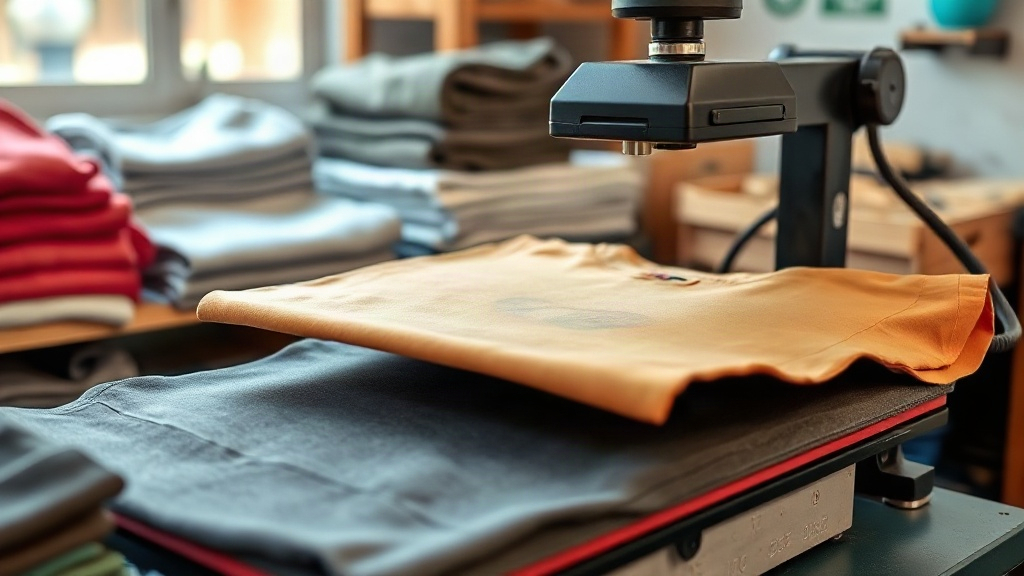
When you first dive into the world of custom apparel, the sheer number of variables can feel overwhelming. You have your design, your heat press, and your chosen method, but the real magic happens when you match your technique to the right garment. If you have been experimenting with DTF transfers, you already know that not all blanks are created equal. The fabric blend, weave, and even the dye can dramatically affect how your final print looks and feels. In this guide, we are going to take a deep dive into two popular choices among decorators: Shaka Wear and Smart Blanks. We will explore how to get the best results with each, troubleshoot common issues, and help you decide which blank might be right for your next project.
Why DTF Transfers Are a Game-Changer for Custom Apparel
Before we get into the specifics of Shaka Wear and Smart Blanks, let us briefly recap why DTF transfers have become such a beloved method in the decorating community. Unlike traditional screen printing, DTF (Direct to Film) allows you to print full-color, highly detailed designs without the need for separate screens or color separations. This means you can produce photographic images, gradients, and fine text with ease. The process involves printing your design onto a special film, coating it with adhesive powder, and then heat-pressing it onto your garment. The result is a vibrant, durable print that can stretch with the fabric without cracking. This flexibility makes DTF ideal for a wide range of fabrics, including the cotton and poly blends often found in Shaka Wear and Smart Blanks.
Understanding Shaka Wear: Fabric and Fit
Shaka Wear has carved out a niche for itself in the streetwear and urban fashion scene. Known for their heavyweight cotton tees, Shaka Wear garments offer a structured, boxy fit that is highly sought after. Their fabric is typically 100% cotton, often in the 6.0 to 7.5 oz range, which gives it a substantial feel. This weight is fantastic for DTF because the fabric provides a stable surface that can handle the heat and pressure of the press. However, the tight knit of some Shaka Wear styles means you need to pay attention to your adhesive powder and pressing parameters to ensure the transfer adheres properly without over-penetrating the fabric.
Best Practices for Pressing DTF on Shaka Wear
When working with Shaka Wear, start with a pre-press to remove moisture and wrinkles. A few seconds at 320°F (160°C) should suffice. For the actual transfer, we recommend a temperature of 320°F to 330°F, medium pressure, and a dwell time of 12 to 15 seconds. Because Shaka Wear tees are often heavier, you might need to apply slightly more pressure to ensure the adhesive fully penetrates the fibers. Always peel the film warm or cold, depending on the film manufacturer's instructions. If you notice the edges lifting, a second press with a Teflon sheet for 5 seconds can help seal them down. Remember, Shaka Wear is known for its durability, so your DTF print should match that longevity.
Smart Blanks: The Versatile Choice for DTF
On the other side of the spectrum, we have Smart Blanks. These garments are often favored for their softness and wide range of styles, including tees, hoodies, and tank tops. Smart Blanks frequently use a cotton-poly blend, which can be a dream for DTF transfers. The polyester content allows the adhesive to bond exceptionally well, often resulting in a softer hand feel. However, blends can also present challenges, such as dye migration, especially with darker colors. If you are pressing onto a dark Smart Blanks garment, consider using a low-bleed DTF film or a blocker layer to prevent the garment dye from affecting the print's vibrancy.
Optimizing Your Press Settings for Smart Blanks
For Smart Blanks, a temperature of 300°F to 320°F is usually ideal. Polyester blends can be sensitive to high heat, so it is better to err on the side of caution to avoid scorching or shrinking. Use medium pressure and a dwell time of 10 to 12 seconds. Because Smart Blanks tend to be softer, you might find that the transfer conforms beautifully to the fabric, giving a nearly seamless look. Always perform a test press on a scrap piece of fabric to dial in your settings. If you are working with a 50/50 blend, you may need to adjust your pressure to avoid flattening the fabric too much, which can create a shiny spot around the design.
Comparing DTF Results: Shaka Wear vs. Smart Blanks
So, which one is better for DTF transfers? The answer depends on your priorities. If you are looking for a rugged, streetwear-ready tee that can withstand heavy wear, Shaka Wear is an excellent choice. The heavyweight cotton provides a premium canvas for your prints, and the DTF transfer will sit nicely on top of the fabric, offering vibrant colors. On the other hand, if you want a softer, more retail-ready feel, Smart Blanks might be your go-to. The blends used in Smart Blanks often allow for a smoother, more integrated print. Both have their place, and many decorators keep both options in their arsenal to cater to different customer preferences.
Troubleshooting Common Issues with DTF on These Blanks
Even with the best settings, you might run into issues. Here are some common problems and how to fix them:
- Transfer peeling after washing: This is usually a sign of insufficient pressure or temperature. Increase your pressure slightly and ensure your press is calibrated. For Shaka Wear, a longer dwell time might be needed.
- Cracking in the print: If your print cracks when stretched, the adhesive powder may not have fully melted. Try increasing the temperature by 5°F or extending the press time by 2 seconds. Also, ensure you are using high-quality DTF film and powder.
- Dye migration on Smart Blanks: This is a common issue with polyester blends. Use a low-bleed film or add a white underbase. You can also pre-press the garment to evaporate some of the dyes before transferring.
- Stiff hand feel: If the print feels too stiff, you might be using too much pressure or too high a temperature, causing the adhesive to over-cure. Reduce pressure and temperature slightly, and try a shorter dwell time.
Choosing the Right DTF Supplies for Shaka Wear and Smart Blanks
Not all DTF transfers are created equal. The quality of your film, powder, and ink plays a huge role in the final outcome. For Shaka Wear, we recommend using a film that is designed for heavyweight cotton. A thicker film can help prevent the adhesive from soaking too deeply into the fabric, which can cause a dull finish. For Smart Blanks, a thinner film can help achieve a softer hand. Additionally, always use a high-quality adhesive powder that melts evenly and bonds strongly. At DTFMaxPrint, we offer a range of DTF supplies that are tested and proven to work well with both Shaka Wear and Smart Blanks. Our team is always happy to help you choose the right products for your specific needs.
Frequently Asked Questions
Can I use DTF transfers on 100% cotton Shaka Wear tees?
Absolutely. DTF transfers work exceptionally well on 100% cotton, including Shaka Wear tees. The key is to ensure your press settings are dialed in for the fabric weight. Heavier cotton may require slightly more pressure and a longer dwell time to ensure the adhesive penetrates the fibers properly. Always pre-press to remove moisture and wrinkles.
Do I need special DTF film for Smart Blanks blends?
You do not necessarily need special film, but for polyester blends like those found in many Smart Blanks styles, using a low-bleed film is highly recommended to prevent dye migration. This is especially important for white or light-colored designs on dark garments. Standard film can work, but you may need to adjust your temperature to avoid scorching the polyester.
How do I prevent the DTF print from cracking on Shaka Wear after washing?
To prevent cracking, make sure you are using the correct pressing parameters. Insufficient heat or pressure can leave the adhesive powder under-melted, leading to cracks. Wash the garment inside out in cold water and avoid using fabric softeners, which can break down the adhesive over time. Tumble dry on low or hang dry for best results.
What is the ideal temperature for pressing DTF on Smart Blanks hoodies?
Smart Blanks hoodies are often cotton-poly blends, so a temperature of 300°F to 320°F is ideal. Use medium pressure and press for 10 to 12 seconds. If the hoodie has a high polyester content, lower the temperature to 300°F to prevent scorching. Always test on a scrap area first.
Can I layer DTF transfers on these garments?
Yes, you can layer DTF transfers, but it requires careful planning. Press the first layer for a shorter time (about 5 seconds), peel the film, then apply the second layer and press for the full time. This technique works on both Shaka Wear and Smart Blanks, but be mindful of the thickness buildup, which can affect the hand feel.
Final Thoughts
Mastering DTF transfers on Shaka Wear and Smart Blanks opens up a world of possibilities for your custom apparel business. Whether you are printing for a streetwear brand or a corporate client, understanding the nuances of each blank will help you deliver a product that looks professional and stands the test of time. Remember to always test your settings, use quality supplies, and do not be afraid to experiment. With a little practice, you will be producing stunning DTF prints on these popular blanks in no time. For more tips and high-quality DTF supplies, visit us at DTFMaxPrint.