
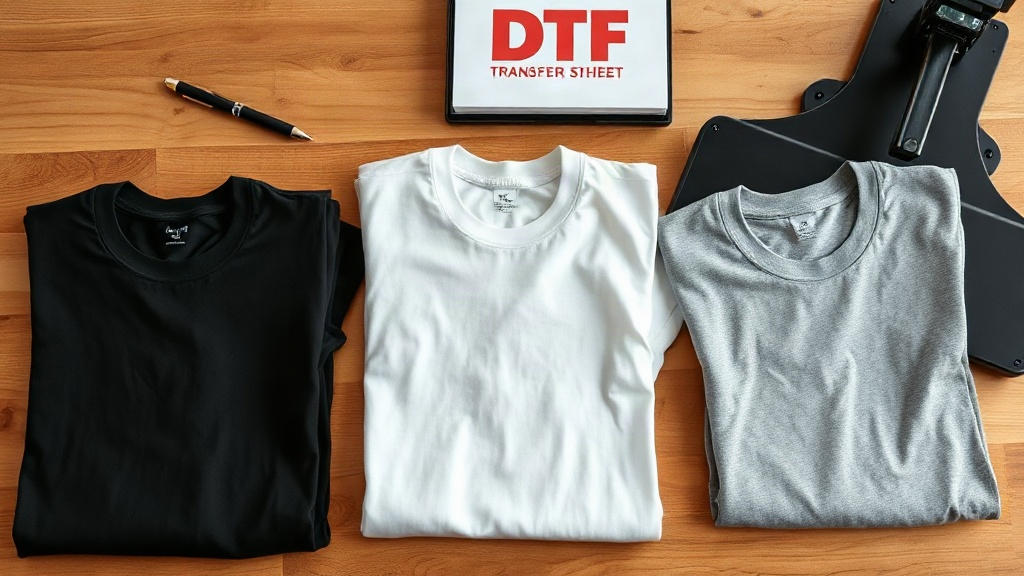
When you're in the custom apparel business, the blank you choose can make or break your reputation. Shaka Wear has quietly become a go-to for many DTF printers, and for good reason. These garments offer a blend of durability, comfort, and style that takes transfers beautifully. Whether you're printing for a streetwear brand or a local team, understanding what makes Shaka Wear stand out can give your products an edge. In this post, we'll dive into why this brand deserves a spot in your shop and how to get the most out of it with DTF printing.
Why Shaka Wear Blanks Work So Well with DTF
DTF printing has exploded in popularity because it allows for vibrant, detailed designs on a wide range of fabrics. But not all blanks are created equal. Shaka Wear garments, particularly their heavyweight cotton tees and fleece, have a surface that accepts transfers exceptionally well. The fabric's tight weave and smooth finish mean your prints adhere evenly, with minimal texture interference. This results in crisp lines and bold colors that pop.
Another factor is shrinkage. Shaka Wear blanks are known for their consistent sizing, even after multiple washes. That's crucial for DTF because a garment that shrinks unevenly can distort your carefully placed design. When you print on Shaka Wear, you're investing in a product that will look great wash after wash.
Fabric Quality That Handles Heat and Pressure
DTF transfers require heat and pressure to bond properly. Some lower-quality blanks can scorch, yellow, or develop a shiny spot under the heat press. Shaka Wear uses high-grade cotton and cotton blends that withstand the typical temperature range for DTF (around 300-320°F) without compromising the fabric's integrity. The result is a soft hand feel and a print that flexes with the garment, not against it.
We've tested Shaka Wear tees under the press countless times, and they consistently come out looking professional. The fabric doesn't burn easily, and the adhesive from the transfer grips well, reducing the risk of peeling later. That reliability is why many printers keep coming back.
Comfort and Fit That Customers Love
At the end of the day, your customers wear the shirt, not just the print. Shaka Wear is renowned for its comfortable fit, often described as a modern classic. Their tees have a slightly relaxed cut that flatters a range of body types, and the fabric is soft yet substantial. This means your custom apparel won't just look good on the rack; it'll feel good on the body, leading to repeat customers and positive word-of-mouth.
For streetwear and urban fashion, Shaka Wear has a cultural authenticity that resonates with many audiences. The brand's roots in skate and street culture give it a cool factor that can elevate your designs. When you pair that with DTF's ability to produce photographic-quality prints, you're offering a premium product that stands out.
Choosing the Right Shaka Wear Blank for Your Project
Not all Shaka Wear styles are the same, and selecting the right one depends on your design and end-use. Here's a quick rundown of popular options and how they perform with DTF.
Heavyweight Cotton Tees
The classic Shaka Wear heavyweight tee is a workhorse. It's made from 100% cotton, often in the 6.0-7.0 oz range, giving it a substantial feel. DTF prints on these tees tend to have a matte finish that blends nicely with the fabric. Because the cotton is smooth and tightly knit, you can achieve fine details without the design looking faded. These tees are perfect for bold graphics, logos, and text.
Fleece Hoodies and Sweatshirts
For colder months or premium merch, Shaka Wear fleece is a solid choice. The fabric is plush and warm, and DTF transfers adhere well to the smooth face of the fleece. However, be mindful of the texture: if the fleece has a heavy pile, you may need to adjust your pressing technique to ensure the transfer makes full contact. Generally, Shaka Wear fleece has a relatively smooth surface, making it DTF-friendly.
Performance and Blends
Some Shaka Wear styles incorporate polyester blends, which can be excellent for DTF because the synthetic fibers accept the transfer well and hold vibrant colors. However, polyester requires lower pressing temperatures to avoid melting or dye migration. Always check the garment's care label and test a small area if you're unsure. With the right settings, blended Shaka Wear pieces can yield stunning results.
DTF Printing Tips for Shaka Wear Garments
To get professional results with Shaka Wear, follow these best practices. They'll help you avoid common pitfalls and ensure your prints last.
- Pre-press the garment: This removes moisture and wrinkles, creating a smooth surface for the transfer. It also helps the adhesive bond better.
- Use the right temperature: For cotton Shaka Wear, aim for 300-320°F. For blends, reduce to 280-300°F to prevent scorching.
- Apply consistent pressure: Medium to firm pressure is key. Too little pressure and the transfer won't adhere; too much and you might flatten the fabric or cause the design to spread.
- Peel at the right time: Most DTF transfers are cold peel, but always follow your transfer supplier's instructions. Peeling too early can distort the design.
- Post-press for durability: After peeling, give it a quick second press with a cover sheet for 5-10 seconds. This ensures the print is fully fused and can withstand washing.
These steps are simple but make a big difference. We've seen prints on Shaka Wear last for years when done correctly.
Design Considerations for Shaka Wear
Shaka Wear has a distinct aesthetic that leans toward streetwear, skate, and urban culture. When designing for these blanks, consider bold typography, minimalistic logos, or intricate illustrations that complement the garment's vibe. Because DTF can reproduce fine details and gradients, you're not limited to simple shapes. However, keep in mind that large, solid areas of ink can feel stiff if over-applied. Balance is key.
Also, think about color contrast. Shaka Wear offers a range of colors, from classic black and white to earthy tones and vibrant hues. A design that pops on a black tee might need adjustment for a lighter color. Always mock up your design on the actual garment color to ensure readability and impact.
Common Questions About Shaka Wear and DTF Printing
Does DTF printing work on all Shaka Wear fabrics?
DTF works on most Shaka Wear fabrics, including 100% cotton and cotton-poly blends. However, for heavily textured fabrics or those with a high polyester content, you may need to adjust temperature and pressure. Always test on a sample first.
How do I prevent the DTF print from cracking on Shaka Wear?
Cracking usually happens when the transfer isn't applied with enough pressure or heat, or if the garment stretches excessively. Use the recommended settings, and avoid overstretching the fabric when wearing. Proper post-pressing also helps.
Can I use Shaka Wear for athletic wear with DTF?
Yes, but choose performance blends that wick moisture. DTF on 100% cotton can get heavy with sweat. For athletic use, look for Shaka Wear styles with polyester blends and use a lower temperature to avoid dye migration.
What's the best way to wash a DTF-printed Shaka Wear shirt?
Turn the garment inside out and wash in cold water on a gentle cycle. Avoid fabric softeners and bleach. Tumble dry on low or hang dry. This will keep the print looking new for a long time.
Are Shaka Wear blanks more expensive than other brands?
Shaka Wear is competitively priced, especially considering the quality. While they may cost slightly more than budget blanks, the durability and printability often justify the investment. Your customers will notice the difference.