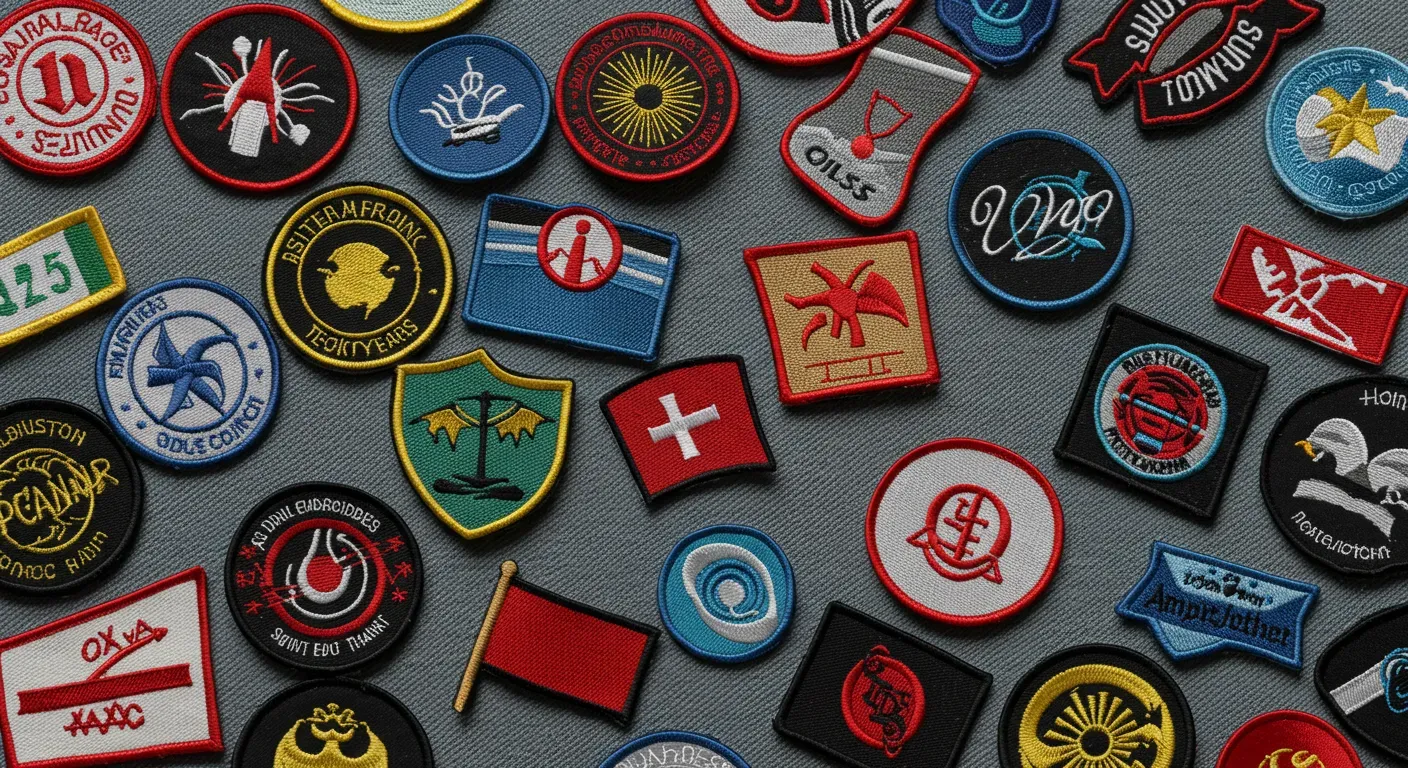
Lifecycle of Custom Embroidered Patches explains how to create custom patches as a structured journey from concept to finished product that can elevate a brand, tell a story, and foster loyalty across teams and customers, whether you are a designer, product manager, or small business owner seeking consistent outcomes. From the initial brief to artwork development, fabric selection, backing choices, and final finishing, every phase influences cost, durability, applicability, and how the patch will perform in real-world wear, including wash cycles, abrasion, sun exposure, and the demands of different garments. For teams venturing into patch programs, a practical question often arises about translating concepts into production-ready artwork, aligned with audience expectations and garment usage, while also outlining typical decisions about size, color, backing, and lead times. The lifecycle focuses on balancing aesthetics with manufacturability, ensuring stitch counts, color separations, and edge treatments translate cleanly from concept to apparel, while color fastness, fabric stretch, and backing compatibility are tested through proofs and pilot runs. By treating patches as branding assets rather than one-off accents, you can plan timelines, budget wisely, and secure consistent quality across campaigns, seasonal drops, and collaborations, building trust with manufacturers and wearers through predictable performance and memorable design.
Think of this as a patch development journey that starts with strategy and ends with a durable symbol worn with pride. The idea is to translate brand identity into material choices, stitching techniques, and backing options that suit different garments and usage. In practice, the design-to-production workflow covers concept refinement, digitizing for stitch accuracy, material testing, and finishing refinements that ensure consistency across batches. Viewed through an branding lens, patches become reusable branding assets that reinforce recognition, loyalty, and group membership wherever they appear. The emphasis across stages is on reliability and legibility under real-world conditions, from washing cycles to outdoor wear, so every patch carries a clear message as it travels from factory to wearer.
Lifecycle of Custom Embroidered Patches: From Concept to Brand Impact
The lifecycle of custom embroidered patches begins long before the first stitch—with a concept that can be translated into a tangible branding asset. From the outset, designers and product teams should consider where the patches will be worn, who will wear them, and what story they should convey. This awareness helps align the artwork with the intended audience, usage, and brand values, ensuring that the final patch supports broader branding goals and customer experiences.
Understanding this journey enables teams to manage expectations and costs while maintaining quality. The concept-to-brief phase sets a foundation for the rest of the lifecycle, guiding decisions on size, color palette, backing, and durability. By framing the patch as a brand element, organizations can plan strategic steps that optimize the utilization of patches as ambassadors and loyalty drivers.
Design Process and Digitizing: Translating Art into Embroidery-Ready Files
At the heart of the patch lifecycle is the design process, where artwork is transformed into embroidery-ready visuals. Designers iterate on sketches and digital proofs, focusing on legibility, color accuracy, and stitch economy to ensure the final patch looks authentic at various sizes. This stage also involves establishing a clear alignment between the brief and the artwork to support a consistent brand message across produces.
A critical component is color separation and digitizing. Color separation assigns thread colors to precise stitch areas, while digitizing translates the artwork into a stitch-optimized file. Here, decisions about stitch types (satin, fill, long and short stitches), underlay patterns, and edge treatments shape production efficiency and the patch’s tactile feel, ensuring the design remains faithful to the original while being feasible for embroidery.
Materials, Backing Options, and Edge Finishes for Durable Embroidered Patches
Material selection sets the tone for durability, weight, and texture. Common fabric bases like twill, felt, and polyester blends offer different performance characteristics, and thread choices (polyester for colorfast durability or rayon for a softer sheen) influence the patch’s final appearance. Thoughtful material pairing supports long-term wear, wash resilience, and the intended environment of the patch.
Backing options dramatically affect usability and user experience. Iron-on backs enable quick application, sew-on backs provide robust fixation, and Velcro or hook-and-loop backs offer removable options. Edge finishes further define the patch’s aesthetic and durability—merrowed borders provide a classic, dense edge, while laser-cut edges yield a modern, crisp silhouette. Each choice has production and cost implications and should align with the patch’s purpose and target audience.
Embroidery Patch Manufacturing Steps: From Proof to Final Patch and Timeline
The actual production process follows a defined sequence that turns digital artwork into a physical patch. Key steps include proofing and approval, where a sample is evaluated for color accuracy and stitch density before mass production. This stage helps minimize rework and aligns expectations across the design and manufacturing teams.
Subsequent steps move from digitizing and finalizing stitch counts to fabric cutting and hooped preparation, followed by embroidery, trimming, backing application, and finishing. Quality control checks at each stage ensure consistent stitch length, color alignment, and edge integrity. A well-managed process—often described as the embroidery patch production timeline—delivers reliable results and predictable delivery for campaigns.
Quality, Durability, and Branding Value: Patches that Elevate Your Brand
Quality assurance is integral to the lifecycle, incorporating durability tests, colorfastness checks, and wear simulations to ensure patches perform under real-world conditions. This is especially important for patches used on workwear or outdoor gear, where repeated washing and abrasion demand robust thread choices and edge reinforcement.
Beyond technical performance, patches carry branding value. When designed and manufactured with care, patches reinforce recognition and loyalty, turning wearers into ambassadors. The lifecycle is not complete until the patch resonates with the audience, making thoughtful design, material selection, and reliable finishing essential to branding with patches.
Practical Roadmap for Creating Custom Patches and Sustainability Considerations
A practical roadmap guides you through how to create custom patches efficiently. Start by defining the patch’s purpose and audience, then develop artwork with clear silhouettes and legible details, select materials and backing, and move through digitizing and prototyping. This structured approach helps balance creative ambition with production realities and budget constraints, aligning with the broader custom patches design process.
Finally, consider sustainability and evolving trends in patch techniques. Using recycled fabrics, water-based inks, and durable materials aligns with responsible production while enabling innovative designs like multi-layer effects. Keeping pace with sustainability and industry trends ensures that branding with patches remains relevant and responsibly produced across seasonally changing campaigns.
Frequently Asked Questions
What is the lifecycle of custom embroidered patches from concept to finish?
The lifecycle of custom embroidered patches begins with a clear brief, then moves through the custom patches design process, digitizing, material and backing selection, and the embroidered patch production steps, ending with finishing, quality checks, and branding integration. Each phase turns a concept into a durable branding asset and helps control cost and ensure consistent quality. Understanding this lifecycle helps designers, product managers, and small businesses make smarter decisions.
In the custom patches design process, how do color separation and stitch choices impact the final product?
During the custom patches design process, color separation determines which thread colors appear in production, while stitch types, underlay, and edge treatments shape durability and appearance. Careful decisions here balance visual fidelity with production efficiency and cost, ensuring the embroidery remains legible and true to the artwork.
What are the embroidered patch manufacturing steps, from proofing to final inspection?
The embroidered patch manufacturing steps typically include proofing and approval, digitizing and stitch count finalization, fabric cutting and hooped preparation, embroidery, trimming and backing application, and final finishing and inspection. Each step ensures color accuracy, edge quality, and secure backing before patches are sent to packaging.
How does branding with patches influence audience perception and loyalty?
Branding with patches leverages design, materials, and finishing to convey identity and values at a glance. Well-crafted patches reinforce recognition, foster belonging, and turn wearers into ambassadors, extending your brand’s story beyond other materials.
What factors affect the embroidery patch production timeline and how can you plan for faster turnaround?
The embroidery patch production timeline is influenced by lead times, minimum order quantities, design complexity, color palette, and material availability. Planning ahead, simplifying artwork, choosing efficient backing options, and selecting a responsive supplier can help shorten the timeline without sacrificing quality.
How to create custom patches: a practical roadmap aligned with the lifecycle of custom embroidered patches?
How to create custom patches follows a practical roadmap: define purpose and audience; develop artwork; choose materials and backing; digitize and optimize; prototyping and approval; produce and finish; and quality and feedback to refine future batches.
| Stage | What it Covers | Why It Matters |
|---|---|---|
| Concept to Brief | Define patch purpose, usage locations, audience, size, backing, and any compliance or durability requirements. | Sets the direction for artwork and decisions; precise briefs improve outcomes and alignment. |
| Design Process | Translate the brief into embroidery-ready art; color accuracy, legibility, stitch types, edge treatments; iterations. | Turns concepts into visually appealing yet technically feasible designs. |
| Digitizing and Stitch Optimization | Convert artwork to stitches; optimize stitch count; balance fidelity with production efficiency. | Controls cost and speed while preserving detail. |
| Materials, Techniques, and Finishing | Choose base fabric (twill, felt, polyester blends); thread (poly, rayon); backing options; edge finishes (merrowed, laser-cut). | Dictates appearance, durability, and user experience. |
| Production Steps | Proofing; digitizing; fabric cutting; embroidery; trimming; backing application; finishing. | Transforms digital design into tangible patches with quality checks. |
| Quality, Durability, and User Experience | Quality assurance; durability tests; colorfastness; back quality; real-world wear scenarios. | Ensures patches perform under real conditions and endure wear. |
| Branding Value | Patches as branding tools; communicate identity, values, and belonging. | Strengthens recognition and loyalty; patches become ambassadors. |
| Real-World Considerations | Lead times, minimum order quantities, variable costs, and market demand. | Balancing creative ambition with practical constraints to meet quality and budget. |
| Roadmap for Creation | Define purpose, develop artwork, select materials/backing, digitize, prototype, produce, quality. | Provides a repeatable, efficient path from concept to shipment. |
| Sustainability and Trends | Recycled fabrics; water-based inks; evolving shapes and multi-layer effects. | Keeps patches relevant, responsible, and aligned with industry shifts. |
Summary
Conclusion: The lifecycle of custom embroidered patches is a descriptive journey that begins with a clear concept and brief, flows through design, digitization, materials selection, manufacturing, finishing, and branding, and ends with patches that reinforce identity and loyalty. Each phase requires collaboration across designers, digitizers, suppliers, and quality teams to ensure patches are durable, visually compelling, and fit for real-world wear. By emphasizing thoughtful design, appropriate materials, rigorous production steps, and ongoing feedback, brands can create patches that endure over time and strengthen storytelling through patches.