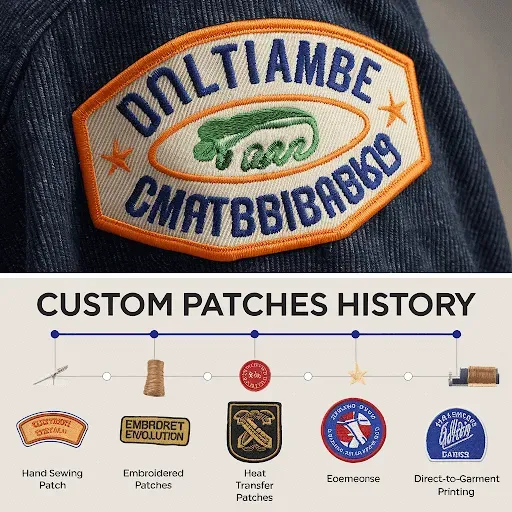
History of patches begins with a simple idea: a square of fabric bearing a symbol that can be stitched onto a garment to convey meaning. From scout badges earned by youth to soldiers marking units, patches function as portable identities that travel across uniforms and eras. Over time the patch has moved from a utilitarian emblem to a fashion accessory, evolving with materials, techniques, and social signaling. Today patches appear on denim jackets, backpacks, sneakers, and even luxury garments, with stitched designs becoming a focal point of personal style. This history also shows how scouting traditions and broader cultural signals shaped consumer tastes and inspired designers to mix craft with commerce.
Viewed as textile emblems, these decorative badges chart a journey from practical identifiers to fashion signals. The lineage informs contemporary branding and wearable art, where logos, motifs, and patches decorate fabrics as part of personal storytelling. This framing connects craft techniques with broader design culture, highlighting how material culture evolves with trends, technology, and consumer preferences.
History of patches: From Scout Badges to Military Insignia and Beyond
From the earliest days, patches began as a simple square of fabric bearing a symbol stitched onto a garment to convey meaning. In scouting, scout badges marked progress, skill, and character, while military insignia signaled unit, rank, and mission. These origins show how a patch can communicate information at a glance on crowded fields and drill grounds, with high-contrast embroidery designed for durability.
Over time, the patch evolved from a utilitarian emblem into a portable identity that traveled from uniforms to denim jackets, backpacks, and even luxury garments. The concept of embroidered patches has grown into a global phenomenon in modern fashion, signaling affiliation, humor, and personal story across cultures.
Patch Evolution Through the 20th Century: Techniques, Materials, and Mass Appeal
As fabric technology and embroidery machines advanced, patches became more intricate and widely produced. The mid-20th century saw smaller runs, bolder symbols, and a shift from strictly official insignia to design elements that could cross contexts, enabling patches to move from military and scouting to everyday wear.
Materials also changed, with wool and heavy cotton giving way to lighter weaves and synthetic fibers that survive washing and daily use. Iron-on and adhesive-backed options democratized patching, allowing DIY enthusiasts to customize clothes without sewwork. This patch evolution broadened the repertoire from formal emblems to logos and personal emblems, fueling their spread across casual, work, and celebratory wardrobes.
DIY Culture and Subcultures: Patches as Personal Language
The private, crowd-driven energy of patch culture gave birth to subcultures that used patches as a language. Punk, rock, and skate communities embraced patches to declare identity, celebrate bands, slogans, or comic imagery, turning denim jackets and vests into portable billboards that tell a life story.
Patchwork grew into a respected craft as artists and small producers created original patches, limited editions, and collaborative collections. The DIY ethos made patches everyday wearable art—easy to swap, mix, and layer—cementing patches as cultural currency traded, collected, and displayed in highly personal ways.
Modern Fashion and Branding: Patches as Stories and Brand Signals
In recent decades, patches have shed much of their utilitarian baggage to reemerge as stylish, branding-friendly emblems. Modern fashion uses patches to tell stories, signal collaborations, and create recognizable branding cues without overprinting logos on entire garments.
Designers blend traditional embroidery with heat transfer, laser-cut shapes, and woven textures to produce patches that stay durable on runways and in daily life. The patch moves beyond utility to become a narrative device and a marker of personality, affiliations, and values within contemporary wardrobes.
Production Techniques and Materials: Embroidered vs. Woven Patches
Today patches come in two broad families: embroidered patches and woven patches, each with its own aesthetic and technique. Embroidered patches are created by thread stitched onto backing fabric to form a raised, tactile surface, while woven patches are produced on looms where the thread is interlaced directly into the patch fabric for crisper detail.
Backing options include iron-on, sew-on, and adhesive-backed methods, enabling easy application on denim, cotton, or jackets. Digital design tools and on-demand manufacturing have sped up the production cycle from concept to final product, supporting limited drops, collaborations, and rapid iterations that keep patch culture dynamic.
Cultural Significance and Personal Storytelling: Patches as Memory Keepers
Patches are deeply personal, capable of signaling belonging to a scout troop, a fan base, or a local sewing circle. They act as memory keepers, turning a simple jacket into a canvas of experiences and places—each patch a tiny chapter in a larger life story.
The patch economy supports artists and small businesses, fostering creativity and sustainability in fashion. By adding patches to old garments, wearers repurpose material culture and create new meaning that travels across generations and contexts, reinforcing how a small embroidered patch can carry large social significance.
Frequently Asked Questions
What is the History of patches and how did scout badges contribute to its origins?
The History of patches begins with two parallel streams: scout badges and military insignia. Early patches were sturdy, high-contrast emblems designed to be read at a glance on sleeves or sashes, signaling achievement or affiliation. Over time these small embroidered symbols moved from uniforms into everyday wear, turning personal stories into portable identities.
How did patch evolution in the 20th century reflect changes in materials and techniques?
Patch evolution in the 20th century tracked advances in textiles and embroidery. Embroidered patches gave way to woven patches and lighter fabrics, with iron-on options expanding DIY potential. These shifts allowed patches to migrate from official insignia and scouting contexts into mainstream fashion.
In what ways did DIY culture and subcultures shape modern fashion patches within the History of patches?
DIY culture and subcultures transformed patches into wearable art. Punk, rock, and skate scenes used patches to declare identity, with denim jackets becoming portable billboards for bands, memes, or slogans. This patch culture reinforced patches as collectible, exchangeable elements of personal expression.
What role do embroidered patches play in modern fashion branding as part of the History of patches?
In modern fashion, patches help convey branding and narrative without full garment logos. Embroidered patches and woven patches enable collaborations, nostalgia, and subversion, blending streetwear with luxury aesthetics. This makes patches a versatile tool for identity and storytelling.
How have military insignia influenced the development of patches and their journey into everyday wear?
Military insignia helped shape patches into standardized shapes and clear unit identifiers, a logic that extended into civilian garments and patch culture. The History of patches notes how this heritage of belonging and hierarchy traveled from uniforms to jackets, backpacks, and everyday wear. The result is a durable, readable symbol system that informs modern patch design.
What does the future hold for patches in the History of patches, especially regarding patch evolution and modern fashion?
The future of patches points to ongoing patch evolution with digital design, on-demand production, and sustainable materials. Designers explore heat-transfer, laser-cut shapes, and even smart fabrics that respond to light or touch. Patches remain a portable form of storytelling, evolving with fashion trends while preserving a connection to their original scouting and military roots.
| Key Point | Summary |
|---|---|
| Origins and early uses | Two parallel streams: scout badges and military insignia; patches carried information readable at a glance; sturdy, high-contrast designs; aesthetic legibility. |
| Patch evolution through the 20th century | Advances in fabric and embroidery; patches moved from insignia to design elements; migration into daily wear; advent of new materials and DIY-friendly iron-on patches; motifs broadened to pop culture and personal emblems. |
| DIY culture and subcultures | Patch culture fueled subcultures (punk, rock, skate); patches became wearable micro-stories; DIY patchmaking and collaborations; patches as cultural currency. |
| Modern fashion and branding | Shifts from utilitarian to branding and storytelling tools; integration into streetwear and luxury; designers mix traditional embroidery with new techniques; patches signal identity and affiliations. |
| Production techniques and materials | Embroidered vs woven patches; iron-on and sew-on attachments; backings and heat-activation; faster design-to-market cycles via digital tools and on-demand manufacturing. |
| Cultural significance and personal storytelling | Patches as memory keepers and markers of belonging; supports artists and small businesses; repurposing extends garment life and personal narrative. |
| The future of patches | Digital design, sustainable materials, on-demand printing; possible smart patches; continued balance of heritage and innovation. |
Summary
History of patches — Conclusion: The History of patches is a story of adaptability and meaning. From scout badges that mark progress to embroidered patches that decorate jackets, and from military insignia that identify allegiance to fashion patches that celebrate individuality, the patch has proven remarkably versatile. Its evolution mirrors shifts in craft, culture, and commerce, proving that a small stitched emblem can reflect broad social narratives. As fashion continues to embrace personalization and sustainability, patches are likely to endure as a familiar medium for self expression, collaboration, and storytelling. The history of patches is not a closed chapter but an ongoing dialogue between heritage and innovation, a thread that binds generations through wearables and keeps pace with the ever changing language of style.