
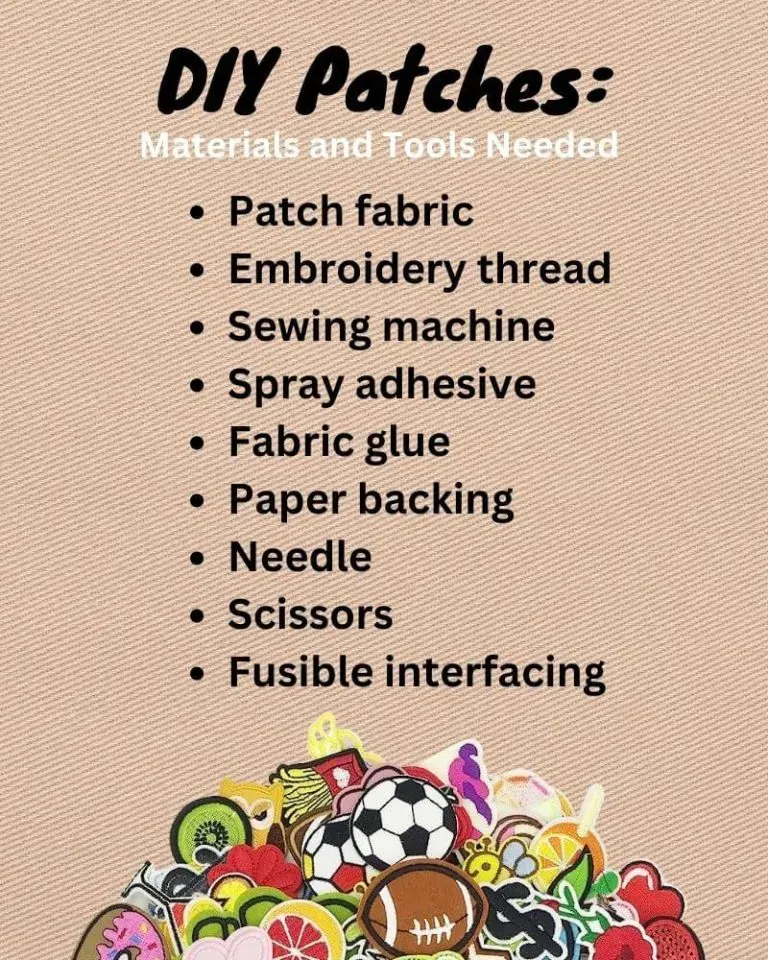
Patch Making at Home is a practical, creative skill that gives new life to worn garments while reducing textile waste. With no-sew patches and simple supplies, you can refresh jeans, jackets, and bags without a sewing machine. This approach taps into upcycle clothing trends and invites you to repair jeans while adding fabric patches that reflect your personal style. Whether you’re a busy crafter or a curious beginner, this guide offers quick steps, material lists, and DIY patch ideas. Customization and sustainability come together when you start patching your wardrobe.
From at-home garment embellishment to practical repairs, patch-based projects offer a gateway to sustainable style. The concept connects with terms like DIY patch ideas, no-sew appliques, and fabric embellishments that extend wear and tell a story. By reframing mending as creative expression through upcycled fabrics, decorative patches, and thoughtful placements, you help readers discover ways to revitalize old pieces. This overview introduces materials, techniques, and design concepts that keep wardrobes relevant, unique, and built to last.
Patch Making at Home: Quick No-Sew Techniques for Beginners
Patch Making at Home makes mending a wardrobe both approachable and enjoyable. By leaning into no-sew patches, beginners can see fast results without learning a full sewing technique, turning frayed edges into intentional accents and small repairs into personal statements. This approach aligns with fabric patches and upcycling, letting you blend function with style in a matter of minutes.
Gather your patches, a backing or substrate, an iron or heat source, and options like fusible web or fabric glue. The process is descriptive and emphasizes placement and design ideas, encouraging you to brainstorm DIY patch ideas and craft a cohesive patch story across a garment.
No-Sew Patch Options: Choosing the Right Method for Your Fabric
Choosing No-Sew Patch Options means matching the method to the fabric type, texture, and desired durability. Iron-on patches with fusible web offer speed and reliability for sturdy woven fabrics, while heat-activated web is gentler on delicate textiles and can be easier to reposition.
Fabric glue or adhesive patches are a quick fix for denim, canvas, or heavy materials, and some patches come with sticky backing for a peel-and-stick alternative. Patches bonded with clear fabric tape can be a temporary repair option, but they may not last as long as heat- or glue-based methods.
DIY Patch Ideas to Personalize Jeans, Jackets, and Bags
DIY patch ideas thrive when you think about color stories, themes, and placement. Select patches that echo or intentionally contrast the garment’s base color, then plan where they will sit so the overall look feels deliberate.
Consider themed patches—animals, florals, retro graphics, or travel icons—to tell a story across multiple patches. Balance sizes by pairing small patches with a few larger ones and lay them out first to visualize symmetry or playful asymmetry.
Upcycle Clothing: Transform Worn Garments with Patches
Upcycling clothing with patches extends the life of items you already own, reduces textile waste, and lets you customize everyday pieces. Use what you have on hand—the shapes, colors, and textures of patches—to reflect your personal style while staying practical.
This approach merges sustainability with creativity, turning a tired jacket or bag into a fresh statement piece. By mixing different fabric patches and placement ideas, you can create durable designs that resist daily wear.
Repair Jeans with Style: Durable Patches for Denim
Jeans respond especially well to patches, especially on knees, thighs, or back pockets where wear is common. Patches that are well-chosen for denim can add character while extending the garment’s life.
Choose patches with strong adhesives or durable stitching-compatible backing, and follow heat or glue instructions carefully. Re-activate adhesives as needed and reinforce corners to ensure long-lasting denim repairs across fabric patches.
Care, Durability, and Longevity: Keeping Your Patches Looking Fresh
Care for patched garments by washing inside out on a gentle cycle to reduce abrasion on patches, and by air-drying to preserve adhesive integrity.
If patches start to lift, reheat and re-activate the adhesive or apply a dab of fabric glue to re-secure edges. Periodically inspect patches and re-press as fabrics shift with wear, ensuring your no-sew patches stay durable and the colors stay vibrant.
Frequently Asked Questions
What is Patch Making at Home and why are no-sew patches a popular choice?
Patch Making at Home is a practical approach to repairing and personalizing garments without professional sewing. No-sew patches provide a quick, beginner-friendly option that sticks with heat or glue, helping you extend clothing life and express style with fabric patches.
How can I repair jeans using no-sew patches as part of Patch Making at Home?
Choose durable fabric patches and position them on worn areas like the knees or thighs. Apply with iron-on backing or fabric glue, press firmly, and let set. Test durability with a gentle wash to ensure the patches stay put in Patch Making at Home.
What are some DIY patch ideas for upcycling clothing using fabric patches in Patch Making at Home?
Try a monochrome patch set for a subtle texture, a patch collage on a pocket or sleeve, or themed patches that reflect hobbies or travels. These DIY patch ideas use fabric patches to upcycle clothing and create a distinctive look in Patch Making at Home.
What materials and tools do I need for Patch Making at Home using no-sew patches?
Gather patches, a patching substrate, a heat source (iron or heat press), fusible web or iron-on backing, fabric glue or spray, scissors, tweezers, ruler, and chalk or fabric-safe marker to plan placement.
How should I design patch placement and choose fabric patches to upcycle clothing with Patch Making at Home?
Plan a color story and balance patch sizes to suit the garment. Lay patches first to check placement, consider symmetrical versus playful asymmetry, and place patches on areas like knees, elbows, or hems for both style and function.
What common mistakes should I avoid in Patch Making at Home when using fabric patches and how can I fix them?
Avoid patches that are too thick, edges that lift after washing, and misaligned layouts. Fix by choosing thinner patches, reapplying heat or glue, using a ruler for alignment, and testing durability with a wash cycle before regular wear.
| Topic | Key Points | Notes |
|---|---|---|
| What Patch Making at Home is | A practical skill to extend garment life, personalize your wardrobe, and reduce textile waste. Emphasizes no-sew patches as quick, accessible options. | Focuses on no-sew patching methods to refresh clothing without sewing. |
| Why Patch Making at Home Matters | Sustainability and customization stand out amid fast fashion; enables item repair, personal style, and budget-friendly updates. | Great for beginners and busy people seeking visible results without traditional sewing. |
| No-Sew Patch Options | Iron-on patches with fusible web; heat-activated fusible web; fabric glue/adhesives; sew-free patches with sticky backing; patches bonded with clear fabric tape. | Each method varies by fabric type, durability, and care requirements. |
| Materials You’ll Need | Patches, patching substrate, heat source (iron/heat press), fusible web or iron-on backing, fabric glue or adhesive spray, scissors, tweezers, ruler, marking tools. | Keep a small workspace ready for efficient patching sessions. |
| Design Ideas & Placement | Color story, theme patches, size balance, placement planning, edge patches for sleeves/pockets/hem. | Lay out patches before applying to ensure balance and avoid crowding. |
| Step-by-Step (No-Sew) | 1) Clean & prep; 2) Position patches; 3) Apply heat or glue; 4) Set & cool; 5) Test durability. | Follow product instructions for heat/time or adhesive cure. |
| Care & Durability | Wash inside out, gentle cycle; air-dry preferred; reheat/re-activate adhesive if needed; inspect and re-press over time. | Adhesive integrity decreases with heat; protect patches during washing.” |
| Creative Patch Ideas | Monochrome sets, patch collages, themed outfits, seasonal updates, monograms/lettering. | A way to tell a personal story through patches. |
| Fabrics & Compatibility | Denim/canvas: patch-friendly; knit fabrics: flexible backing; leather/suede: strong adhesives; lightweight fabrics: delicate patches. | Test patches on a small area first to avoid damage. |
| Versatility: Jeans, Jackets, Bags | Patches target knees/pockets on jeans; elbows/yoke on jackets; straps/main panels on bags. | This expands wardrobe customization across common items. |
| Sustainability & Personal Growth | Reduces waste, extends garment life, and fosters creative exploration with textures, colors, and shapes. | Can be a solo or social activity, educational for family or friends. |
| Common Mistakes & Fixes | Thick patches; edges peaking after washing; misalignment; overheating delicate fabrics. | Use lighter patches, reheat/glue, align with straight edge, and lower heat for delicate materials. |
Summary
Patch Making at Home provides a structured, no-sew approach to refreshing garments with quick, durable patches. The table above captures core ideas: from what patch making at home is, why it matters, and the available no-sew options, through the materials, design strategies, step-by-step methods, care tips, fabric considerations, and common mistakes. It also highlights creative ideas and practical applications for jeans, jackets, and bags, all within a sustainability-minded mindset.